
Luke Guo
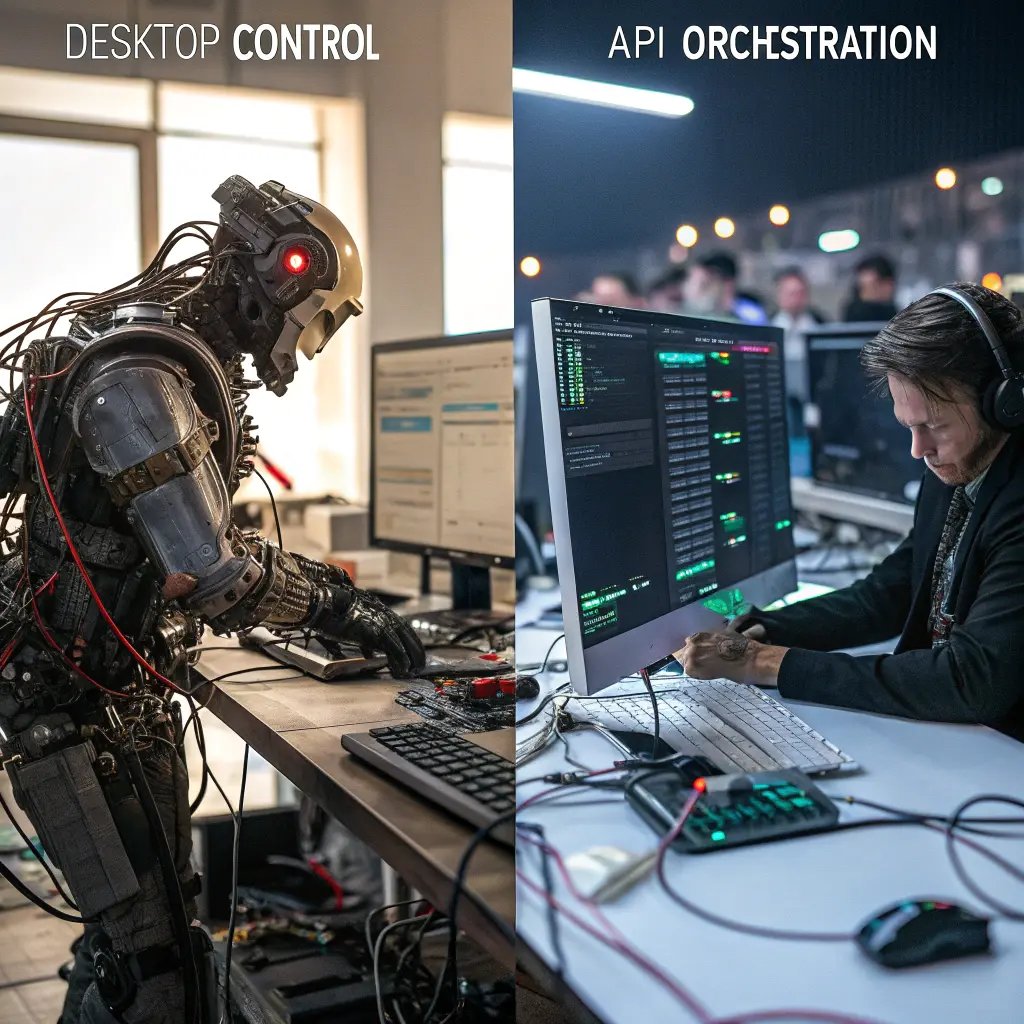
OpenClaw (Formerly Clawdbot) vs Aident AI
Update (July 2026): Clawdbot is now named OpenClaw. This article uses the current name while preserving the old term for readers following earlier links.
OpenClaw and Aident expose different operating models. OpenClaw is an open-source personal assistant that you run under your own trust boundary and connect to channels and tools. Aident is a managed platform for authoring and running integration-backed playbooks. Neither model is inherently risk-free; the right choice depends on deployment, permissions, users, and the applications being controlled.
OpenClaw vs Aident at a Glance
Consideration | OpenClaw | Aident |
|---|---|---|
Primary model | Self-operated personal assistant and gateway | Managed playbook and integration platform |
Trust boundary | One trusted operator boundary per gateway is the documented model | Platform account, playbook, and connected-integration permissions |
Extensibility | Open-source configuration, tools, channels, and local deployment | Natural-language playbooks and managed integrations |
Operations | You deploy, secure, update, and monitor the gateway | Aident operates the managed runtime |
Best fit | Technical users who want a self-operated assistant | Teams that want a managed, reusable workflow system |
OpenClaw’s security documentation explicitly says that one gateway is not a hostile multi-tenant security boundary. Mixed-trust users should be separated into different gateways and preferably different OS users or hosts.
Security Questions to Ask
For either platform, inventory:
Which credentials and files can the agent access?
Which actions create, send, update, or delete data?
Where is human approval required?
Can untrusted content influence a tool-enabled agent?
Are logs sufficient to reconstruct a run?
How are updates, revoked credentials, and compromised accounts handled?
Self-hosting gives you more operational control, but it also makes patching, isolation, backups, and monitoring your responsibility. A managed platform reduces that operational burden, but you still need to scope integrations and review high-risk actions.
Which Should You Choose?
Choose OpenClaw when you want an open-source personal-assistant stack, can operate its gateway securely, and accept its documented single-operator trust model. Choose Aident when the written playbook, managed integrations, and team-oriented workflow lifecycle are the main requirements.
For the underlying deployment tradeoff, see Local vs Remote MCP Servers. To compare integration surfaces, read Agent Skills vs MCP vs CLI.
Explore the managed playbook model at Aident.
About the author

Luke Guo
Luke Guo writes about agent infrastructure, tool connectivity, and the systems that make AI useful in production.
Related posts





The one tool
for every tool
your agent needs.
Give any AI agent real capabilities in seconds. Connect 27,000+ tools once, skip the setup headache, and let your agents execute.